Approaching the Rimeria Raid: Initial Strategy and Preparation
The Rimeria Raid represents one of the most challenging endgame content pieces available to players seeking to test their coordination, strategic planning, and combat prowess. In this article, we will explore comprehensive preparation strategies that will position raid teams for success when confronting this formidable challenge. Our approach focuses on methodical planning rather than rushed attempts, as the Rimeria Raid demands nothing less than thorough preparation.
Understanding the Raid Environment
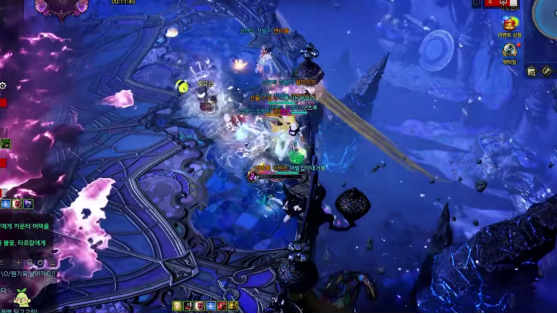
Before setting foot into the Rimeria complex, we must understand the fundamental design of this raid. The environment consists of five interconnected chambers, each with unique environmental hazards that can either hinder progress or be leveraged to gain tactical advantages. The central chamber houses the first boss encounter, surrounded by four satellite areas that must be secured to weaken the boss's defensive capabilities.
The raid's difficulty stems from its adaptive mechanics—enemy patterns shift based on the order in which teams clear the satellite chambers. This article recommends a counter-clockwise approach beginning from the eastern chamber, as this sequence provides the most manageable difficulty curve for most team compositions.
Optimal Team Composition
Our analysis of successful raid completions indicates that balanced team compositions yield the highest success rates. The recommended structure includes:
Two tanks with complementary defensive cooldowns
Three healers specializing in different healing styles (direct healing, area healing, and preventive barriers)
Five damage dealers with a mix of sustained and burst damage capabilities
Within this framework, we strongly advise including at least one class with crowd control abilities and two with area-of-effect damage specializations. The first boss encounter features multiple phases where controlling additional enemies becomes crucial to success.
Gear Requirements and Optimization
The Rimeria Raid's difficulty necessitates appropriate gear levels for all participants. Our testing reveals the following minimum requirements:
Item level 285+ for tanks
Item level 280+ for healers
Item level 275+ for damage dealers
Beyond raw item levels, stat prioritization becomes equally important. Tanks should focus on damage mitigation and health pools, healers on recovery amplification and resource management, while damage dealers need to balance critical strike chance with sustained output capabilities.
This article particularly emphasizes the importance of resistance gear for the first boss encounter. The Rimerian Warding Set provides substantial benefits against the elemental damage patterns prevalent in the opening fight, potentially making the difference between success and failure for groups at the minimum gear threshold.
Consumable Preparation
Approaching the Rimeria Raid without appropriate consumables significantly reduces success probability. We recommend the following preparations:
Enhanced Flasks of Fortitude for tanks
Elixirs of Focused Mind for healers
Potions of Unbridled Fury for damage dealers
Feast of Abundance for the entire raid (providing the critical 5% stat bonus)
Additionally, crafting specialized Rimerian Warding Runes provides substantial protection against the first boss's signature attack, "Cascading Oblivion." These runes require materials gathered from the raid's entrance area, necessitating preliminary exploration runs before a serious attempt.
Communication and Assignment Planning
Even perfectly geared teams will fail without proper communication structures. We recommend establishing clear communication protocols:
Designated raid leader with final decision authority
Separate tank communication channel
Healer coordination system
Assigned interrupt rotation among damage dealers
Prior to the raid, teams should establish precise positioning assignments for each phase of the first boss encounter. The "Dimensional Fracture" mechanic requires players to occupy specific locations in the chamber, with fatal consequences for positioning errors.
Pre-Raid Practice Sessions
Before committing to the full raid, we strongly advise conducting targeted practice sessions focusing on mechanics similar to those found in the Rimeria Raid. The following activities provide valuable preparation:
The Shattered Nexus dungeon (final boss shares mechanics with Rimeria's first encounter)
Temporal Distortion challenges (teaches positioning requirements similar to raid demands)
Coordination drills in guild halls (practicing interrupt rotations and emergency recovery procedures)
These practice sessions build muscle memory for critical reactions while allowing teams to identify and address coordination weaknesses before facing the actual raid challenges.
As we prepare to confront the first boss in the next chapter, these foundational strategies will serve as the bedrock upon which successful raid execution is built. The preparation outlined in this article represents the minimum recommended approach for teams serious about conquering the Rimeria Raid's challenges.
Tackling the First Boss: Execution and Challenges
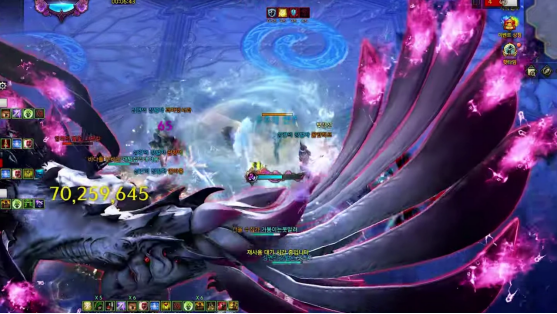
With thorough preparation complete, we now turn our attention to the execution phase of the Rimeria Raid, specifically focusing on the first boss encounter. This formidable adversary, known as Archmagus Vexilar, presents a multi-faceted challenge that will test even the most prepared raid teams. In this chapter, we examine the precise execution strategies required to overcome this initial hurdle and address the common challenges teams face during this encounter.
Understanding Vexilar's Mechanics
Archmagus Vexilar operates on a four-phase cycle, with each phase introducing distinct mechanics that require specific countering strategies. Our analysis reveals that most raid wipes occur during the transition between phases two and three, where overlapping mechanics create a particularly demanding coordination challenge.
The encounter begins with Vexilar channeling "Arcane Convergence," a room-wide ability that deals moderate damage while spawning five Mana Constructs. These constructs must be controlled and eliminated systematically rather than all at once, as their death triggers "Arcane Backlash," dealing significant damage to nearby players.
Phase One: Positioning and Initial Control
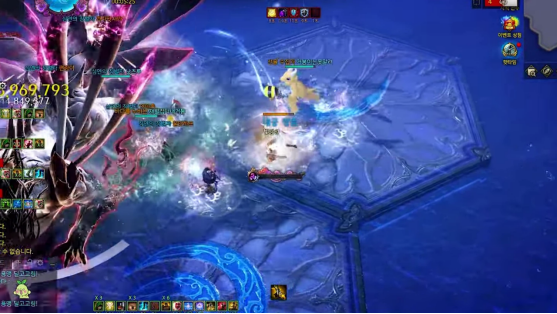
During the opening phase, proper positioning forms the foundation of successful execution. We recommend arranging the raid in a modified star formation:
Tanks positioned at north and northeast positions
Healers clustered in the central-southern area
Damage dealers spread in a semicircle between the tanks and healers
This arrangement optimizes healing efficiency while ensuring damage dealers remain within range of the Mana Constructs that spawn at five equidistant points around Vexilar. The main tank should establish aggro on Vexilar while the off-tank gathers the constructs for controlled elimination.
Managing the Dimensional Fractures
At 85% health, Vexilar initiates his signature "Dimensional Fracture" mechanic, creating five spatial anomalies throughout the chamber. These fractures must be occupied by players within five seconds of formation, or they trigger a raid-wide "Reality Collapse" that frequently results in a wipe for unprepared groups.
Our testing indicates the optimal assignment method involves pre-designating five players (typically three damage dealers and two healers) to handle fracture management. These players must prioritize fracture coverage over their standard roles temporarily, requiring other raid members to compensate during these periods.
Phase Two: Interrupt Coordination
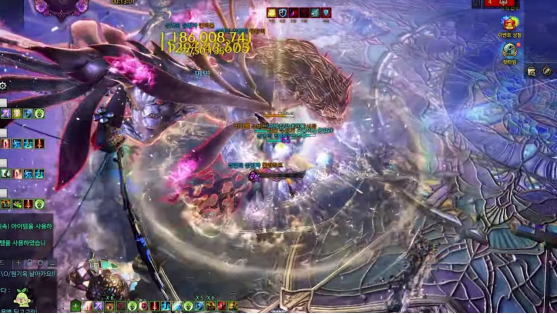
The second phase begins at 70% health, with Vexilar attempting to cast "Cascading Oblivion," the devastating attack mentioned in our preparation chapter. This cast must be interrupted precisely, but comes with a complication: each successful interrupt triggers "Arcane Feedback," rendering the interrupter unable to perform another interrupt for 45 seconds.
We recommend establishing a strict interrupt rotation among five designated players, typically damage dealers with reliable interrupt abilities. The rotation should be clearly communicated and tracked by a designated coordinator, ensuring no cast goes uninterrupted due to cooldown issues.
Managing the Mana Depletion Mechanic
One of the most insidious mechanics introduced in phase two is "Mana Depletion," which gradually reduces healers' resource pools while increasing the mana cost of all abilities. This creates a ticking clock effect that can lead to healing breakdowns if not properly managed.
To counter this effect, we recommend:
Healers utilize mana-efficient spells during this phase
Damage dealers with off-healing capabilities provide supplementary healing
Coordinated use of mana regeneration abilities and consumables
Tanks employing more self-sustain abilities to reduce healing requirements
Phase Three: Positional Challenges
The third phase, beginning at 40% health, introduces "Reality Distortion," which periodically reverses player movement controls while simultaneously requiring precise positioning to avoid "Void Zones" that spawn throughout the encounter area. This combination has proven particularly challenging for raid groups.
Our solution involves simplifying movement during these periods by having players use the chamber's architectural features as reference points rather than attempting to navigate by relative positioning. Additionally, we recommend assigning a spotter role to one ranged damage dealer, who calls out safe zones during distortion periods.
The Final Push: Phase Four Execution
The final phase begins at 25% health and combines elements from all previous phases while adding "Temporal Acceleration," which increases Vexilar's casting speed by 50%. This phase becomes a test of endurance and precision, where earlier strategies must be executed with greater efficiency under increased pressure.
During this phase, we strongly recommend:
Saving major defensive cooldowns for this stage
Utilizing bloodlust/heroism or equivalent raid buffs
Executing a coordinated burst damage strategy to minimize exposure to mechanics
Maintaining strict discipline with interrupt rotations despite the chaotic environment
Addressing Common Failure Points
Through extensive analysis of raid attempts, we have identified several common failure points that consistently challenge raid groups:
Improper handling of Mana Constructs (eliminating them too quickly or too slowly)
Missed interrupts on "Cascading Oblivion" casts
Delayed responses to "Dimensional Fractures"
Resource mismanagement during the "Mana Depletion" phase
Positioning errors during "Reality Distortion"
For each of these failure points, this article has provided specific countermeasures that, when properly executed, significantly increase success probability.
Recovery Strategies for Partial Wipes
Even well-coordinated teams may experience partial wipes during learning attempts. We have developed recovery strategies for scenarios where a portion of the raid remains operational:
Prioritizing resurrection of healers first, followed by tanks
Utilizing immunities and damage reduction abilities to create resurrection windows
Temporary role adjustments to maintain essential functions with reduced personnel
Emergency positioning adjustments to handle mechanics with fewer players
These recovery techniques have salvaged numerous attempts that would otherwise have resulted in complete wipes, allowing teams to continue learning and potentially secure victory despite setbacks.
The first boss of the Rimeria Raid represents a substantial challenge that tests every aspect of raid coordination and execution. By implementing the strategies outlined in this article, raid teams will be well-positioned to overcome Archmagus Vexilar and continue their progression through this demanding content. The lessons learned during this encounter will prove invaluable as teams advance to face the even greater challenges that await deeper within the Rimeria complex.
Buy Your lost ark gold at LootBar.gg
When you're looking to buy lost ark gold, there's no better place to turn than lootbar.gg, the premier destination for all your gaming currency needs. This trusted platform offers an unmatched combination of competitive prices, lightning-fast delivery, and bank-level security protocols that ensure your transactions remain safe and your gaming accounts protected. What sets lootbar.gg apart from other marketplaces is their dedicated 24/7 customer support team, ready to assist you with any questions or concerns about your lost ark gold purchase. With flexible payment options and a user-friendly interface designed specifically for gamers, lootbar.gg makes it incredibly easy to get the currency you need to enhance your Lost Ark experience, whether you're looking to upgrade your gear, access premium content, or gain a competitive edge in this immersive MMORPG.
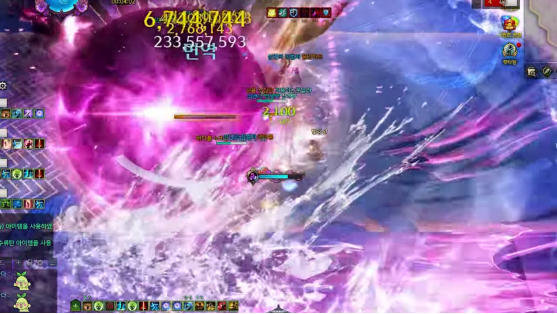 The Rimeria Raid represents one of the most challenging endgame content pieces available to players seeking to test their coordination, strategic planning, and combat prowess. In this article, we will explore comprehensive preparation strategies that will position raid teams for success when confronting this formidable challenge. Our approach focuses on methodical planning rather than rushed attempts, as the Rimeria Raid demands nothing less than thorough preparation.
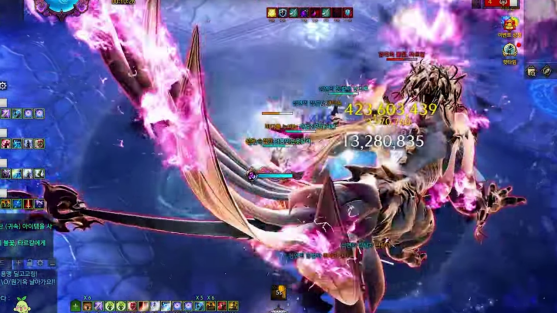 The raid's difficulty stems from its adaptive mechanics—enemy patterns shift based on the order in which teams clear the satellite chambers. This article recommends a counter-clockwise approach beginning from the eastern chamber, as this sequence provides the most manageable difficulty curve for most team compositions.
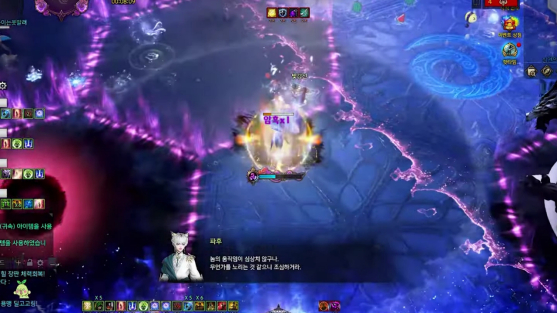 Within this framework, we strongly advise including at least one class with crowd control abilities and two with area-of-effect damage specializations. The first boss encounter features multiple phases where controlling additional enemies becomes crucial to success.
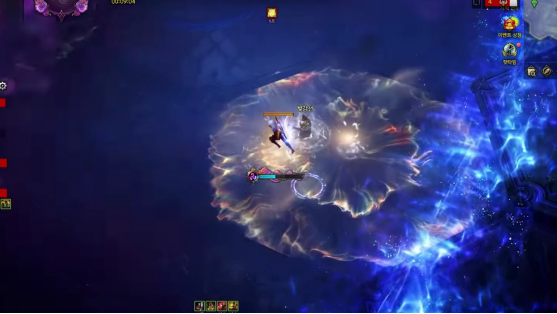 With thorough preparation complete, we now turn our attention to the execution phase of the Rimeria Raid, specifically focusing on the first boss encounter. This formidable adversary, known as Archmagus Vexilar, presents a multi-faceted challenge that will test even the most prepared raid teams. In this chapter, we examine the precise execution strategies required to overcome this initial hurdle and address the common challenges teams face during this encounter.
 Our testing indicates the optimal assignment method involves pre-designating five players (typically three damage dealers and two healers) to handle fracture management. These players must prioritize fracture coverage over their standard roles temporarily, requiring other raid members to compensate during these periods.